
To choose a body moisturizer, start with how your skin feels, the texture you will use consistently, and the directions on the label. A lotion can be a convenient everyday format; a cream or ointment may suit more pronounced dryness. Compare the whole formula rather than buying on one fashionable ingredient.
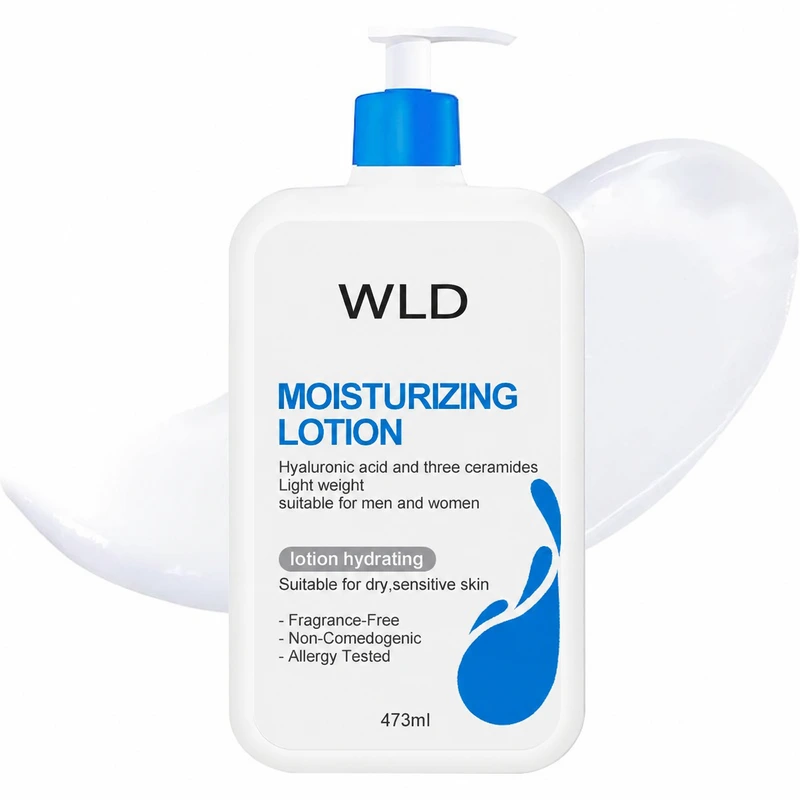
First decide what you want from the product
Think about the moment when you will apply it. Do you want a simple step after showering, a format to keep beside the sink, or something richer for areas that feel especially dry? These are more useful starting points than a long list of trending ingredients.
Write down three requirements before browsing: where you will apply it, what finish you prefer, and whether there are ingredients or fragrances you already know you need to avoid. A product with a clear role is easier to compare than a bottle promising everything at once.
Lotion, cream and ointment: what is different?
The American Academy of Dermatology explains that moisturizers come in different textures. Creams are generally thicker than lotions, while ointments are thicker still. Its guidance favors creams or ointments over lotions when skin is notably dry. Those are general format differences, not proof that a particular bottle will suit everyone. Read the AAD guide to choosing a moisturizer.
- Lotion: consider it when you prefer a fluid format and straightforward everyday application.
- Cream: compare it when you want a richer texture, particularly if a lighter product leaves you uncomfortable.
- Ointment: ask whether a thicker format is more appropriate when dryness is substantial, rather than assuming another light lotion is the answer.
If you are comparing a body oil, check whether it is intended for leave-on body use and read its own directions. Do not assume that every oil, lotion and cream has the same formula or can be substituted in the same amount. Packaging names alone are not a complete comparison.
Read beyond the ingredient in the product name
An ingredient-led product name does not tell you its full formula, concentration, fragrance profile or suitability for your personal routine. Before ordering, look for the complete ingredient list, intended application area, bottle size and directions. If any of these are missing, ask the seller instead of filling the gaps with assumptions.
This is particularly important when comparing two similarly named products. Evidence about an ingredient is not automatically evidence about every finished product that mentions it. Keep personal preferences separate from documented product facts.
Make application a simple, repeatable step
The AAD recommends moisturizing while skin is still damp after bathing. Its dry-skin guidance also favors short, warm showers over long, hot ones and recommends fragrance-free moisturizers for dry skin. Follow your product’s directions; applying more than instructed is not a shortcut to a better result. See the AAD’s dry-skin care tips.
Choose a place in your routine where the step is easy to remember. Keep the container where its storage instructions allow, and compare how manageable the routine is before adding another product. A useful purchase should simplify a decision, not create several new ones.
Reassess when the weather changes
A texture you enjoy in one season may not be your preference in another. The AAD’s winter guidance notes that cold outdoor air and heated indoor air can contribute to dryness, and that richer moisturizers may be more useful in those conditions. It also cautions that a higher price is not necessarily a sign of greater effectiveness. Read the AAD winter-care guide.
You do not need to replace an entire routine because the season changed. First review the texture, application instructions and whether the product still meets your original needs.
A practical checklist before you buy
- Is this intended for the part of the body where you want to use it?
- Can you check the full ingredients and directions?
- Does the displayed price cover one bottle, multiple bottles or a set?
- Have you checked bottle size rather than assuming it from the photograph?
- What shipping charge applies to your destination?
Browse the WLD BEST Skin Wellness collection to compare current body-care options. Listings marked as two-bottle packs show the price for two bottles; the quantity selector counts bottles. Before ordering, review the shipping and returns information, or ask customer care to confirm missing product details.
Common questions
Is the most expensive moisturizer always the best choice?
No. Use the formula, intended use, directions and your practical requirements to compare products. Price alone does not tell you whether a texture or routine will suit you.
Should I buy several body-care products at once?
Start by deciding what each purchase is for. If two products appear to do the same job, compare their labels before assuming you need both. There is no need to build a multi-step routine simply to fill a shopping basket.
What if dryness does not improve?
Persistent discomfort, cracking, bleeding or a suspected skin condition is a reason to seek advice from a qualified healthcare professional, rather than repeatedly switching cosmetic products. This guide offers general shopping information, not a diagnosis or a treatment plan.
Editorial sources reviewed October 23, 2026. The linked AAD guidance supports general education; it is not an endorsement or a clinical test of WLD BEST products.