
Choose a facial cleanser by its intended use, full ingredient list and directions—not by a hero ingredient or the amount of foam alone. Start with a gentle option that fits your daily needs. Before buying, check what the seller actually discloses, what each pack contains and whether you can introduce it without changing your whole routine.
A cleanser should be an understandable purchase. This guide helps you compare labels and product pages, separate useful information from marketing, and decide when to ask a question before ordering.
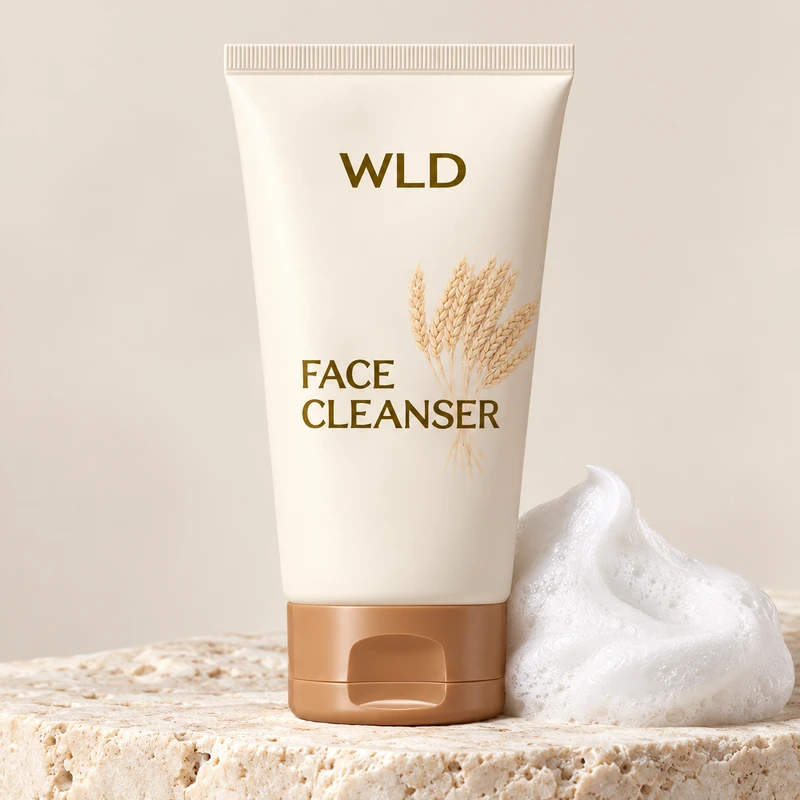
Start with the job your cleanser needs to do
Write down what you want to remove: everyday surface dirt, excess oil, makeup, or a combination. Then check whether the product’s directions describe that use. A face wash, body wash and makeup remover are not automatically interchangeable just because all three cleanse.
The American Academy of Dermatology recommends a gentle, non-abrasive facial cleanser without alcohol. Cleveland Clinic also recommends starting with a gentle, fragrance-free cleanser. These are general selection principles, not endorsements of any particular WLD BEST formula. Read the AAD’s face-washing guidance and Cleveland Clinic’s cleansing advice.
Think about your existing routine, too. If your current cleanser is comfortable and does the job, a new ingredient trend is not, by itself, a reason to replace it. If you are shopping for someone else, ask what they already use rather than guessing from their age or appearance.
Read these five things before comparing claims
- Intended area: look for explicit facial-use instructions. Do not substitute a hand or body wash on the basis of a similar product name.
- Full ingredients: a front-label ingredient is not the complete formula. Ask for the current full list if the page only shows highlights.
- Directions: confirm whether it is rinse-off, how much to use, and any stated precautions. Do not invent a contact time from a social-media demonstration.
- Contents: confirm the number of containers and the amount in each. A single-container photograph may illustrate a multipack; it does not establish the delivered quantity.
- Practical details: check the closure, storage instructions and delivery information. These matter when a product will be used at a shared sink or packed for travel.
Keep a short comparison note for each candidate: “ingredients available / directions clear / contents confirmed.” An unanswered box is a useful reason to contact the seller, not a reason to fill in the missing information yourself.
Use skin feel as a question, not a diagnosis
If your face often feels dry after washing, ask whether the candidate is intended for a gentle daily routine and read its directions carefully. If you notice more surface oil, start with the same basic checks rather than choosing the strongest-sounding product. A product page cannot diagnose your skin or predict your individual response.
For a fragrance preference, read the complete label rather than relying on imagery of plants or a fresh-sounding product name. The AAD notes that “unscented” and botanical descriptions do not necessarily exclude fragrance-related ingredients. See its guidance on trying a new skincare product.
Foam, gel or cream: compare the whole product
Texture is useful when deciding what you enjoy using, but it is not enough information to rank products. Avoid turning “foaming,” “creamy,” “rice water” or “deep-cleansing” into a promise about comfort or results. Read those words alongside the ingredients and instructions.
Likewise, do not assume a named ingredient’s reputation proves what a finished rinse-off formula will do. This guide does not independently test or verify the performance of the products in our catalogue.
A label-first example from the WLD BEST collection
You can browse our Face Cleansers collection and view the Rice Water Deep-Cleansing Facial Foam listing. Its name identifies a facial cleansing format, and the written listing describes a two-container pack. Those facts do not establish that it is fragrance-free or suitable for every skin type.
At the time of this review, the written listing did not provide a full ingredient list or detailed product-specific washing directions. Before deciding, ask WLD BEST customer care for the current full label, amount per container and directions. Do not infer these details from the ingredient named in the title. This is a comparison example, not a universal recommendation.
Introduce a new cleanser without rushing
Follow the product label and consider the AAD’s small-area testing guidance before widespread use. Its method treats rinse-off products differently from leave-on products; follow the full instructions rather than leaving a cleanser on your face as a mask. A home trial is not an allergy diagnosis or a guarantee that a reaction cannot occur.
For ordinary washing, use lukewarm water and your fingertips, rinse, and pat dry gently. Avoid scrubbing to chase a squeaky-clean feeling. These steps follow the AAD’s face-washing guidance. For the broader sequence, see our simple skincare routine for beginners.
Frequently asked questions
Does more foam mean a better clean?
Do not use foam volume as your only buying criterion. Compare intended use, full ingredients and instructions first; choose a format you can use as directed.
Can I choose a cleanser from its hero ingredient alone?
No. The named ingredient does not tell you the complete formula, directions or your personal response. Request the full label if it is missing.
What if a new cleanser causes discomfort?
Stop using it and wash it off. Seek professional advice for severe or persistent reactions rather than experimenting with more products. A clinician can address ongoing skin concerns; this shopping guide cannot.
The takeaway: buy the cleanser you can understand, not the promise you cannot check. Use the label-first checklist, confirm missing details, and keep the rest of your routine familiar while you evaluate a new purchase.
Prepared by WLD BEST Editorial. Sources and catalogue details checked November 2, 2026. General cosmetic shopping information, not individual medical advice.