
A lip mask is often sold for a bedtime routine, while a balm is usually the easier option to carry and reapply. That does not make every mask richer, or every balm less effective. For lip mask vs lip balm, compare the actual formula, directions and packaging—not just the product name.
This guide helps you decide whether you need one product or two, what to check before buying, and which questions to ask when a listing leaves out important details.
The quick choice: routine first, label second
- For your bag or desk: prioritize a format you can apply neatly whenever needed. A twist-up balm may be more convenient than a pot.
- For bedtime: consider a lip product whose directions permit leaving it on overnight and whose texture you find comfortable.
- For outdoor wear: check for labeled sun protection. The words “mask,” “butter” or “balm” do not tell you whether a product has SPF.
- If you already like your balm: you do not automatically need a separate mask. First ask what practical gap another product would fill.
What is different about a lip mask?
“Lip mask” can describe very different formats. A leave-on pot, a single-use patch and a rinse-off product do not have interchangeable instructions. Check which one you are buying before assuming that it belongs in an overnight routine.
A balm can also be suitable for bedtime. Ohio State dermatologist Susan Massick advises judging lip products by their ingredients rather than being persuaded by their packaging. Her guidance distinguishes daytime lip care from thicker overnight emollients, not a universal rule that a product called a mask must outperform a balm. Read Ohio State’s lip-care guidance.
Our buying takeaway: treat “overnight” as an instruction to verify, not a promise of dramatic morning results. Do not leave a patch or wash-off mask on longer than directed.
Compare these four details before adding to your bag
1. The complete ingredient list
The American Academy of Dermatology identifies petrolatum, ceramides and dimethicone among ingredients used in lip-care products for dry lips. It also advises avoiding irritating products, with fragrance and certain flavorings among potential problems. An ingredient mentioned in a product name is not the complete formula, and does not establish how the finished product will suit you. See the AAD’s guidance.
If you avoid a particular ingredient, ask for the full label before ordering. Do not infer “fragrance-free,” “vegan” or suitability for sensitive lips from a pink jar, a botanical picture or the word “natural.”
2. The application directions
Look for the intended area, amount, wear time and removal instructions. If directions only say “use as directed” without supplying those details, ask the seller. Do not substitute a face mask or facial exfoliant for a lip product.
3. The format you will actually use
A stick may suit quick applications away from home; a pot may fit your bathroom routine. A patch involves different timing and handling. These are practical preferences, not proof that one formula performs better. Think about where the product will live and how you will apply it without making a mess.
4. The amount in the package
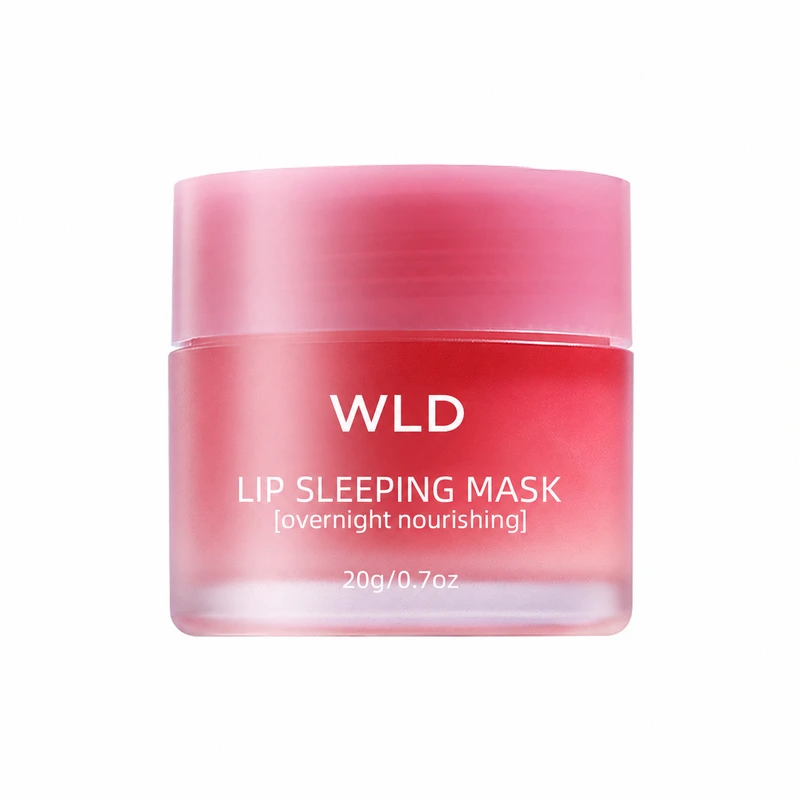
Compare the stated net weight or volume as well as the number of containers. Two similarly sized jars in photographs may contain different amounts. If a listing specifies a two-container pack but omits the amount per container, confirm that detail before judging its value.
Do you need both a balm and a mask?
Not necessarily. Start with a simple question: does your current product fit both your daytime and evening preferences? If yes, buying another format may only duplicate a step. If a pot is inconvenient on the move, a separate portable option can make sense. If you prefer a different texture at night, compare a bedtime product on that basis rather than assuming a higher price or richer appearance guarantees better results.
Keep outdoor protection separate in your decision. The AAD recommends lip balm with SPF 30 or higher before going outdoors and reapplication every two hours outdoors. Do not assume an unmarked lip mask supplies that protection.
Keep the routine comfortable and the container clean
Follow the supplied instructions and stop using a product if it burns or stings. Do not scrub away flakes to make a mask “work harder.” Seek professional advice for persistent soreness or irritation instead of repeatedly adding new products. This is a cosmetic shopping guide, not a diagnosis or treatment plan.
Keep applicators and containers clean, close the lid after use and avoid leaving lip care in a hot car. The FDA notes that fingers can introduce microorganisms into cosmetics and that heat can affect product quality. Follow the maker’s storage and shelf-life guidance; do not invent an opening-date rule that the manufacturer has not provided. Read the FDA’s cosmetic storage guidance.
Browsing lip care at WLD BEST
The Lip Care collection includes different formats, so choose by the information on each listing rather than treating every item as interchangeable. The Overnight Pink Lip Mask listing is one example to investigate—not a recommendation for every reader.
At review, the written listing did not provide a complete ingredient list or detailed wear-time instructions. The pictured jar is marked 20 g / 0.7 oz, while the listing uses a generic “2-Bottle Pack” label. Ask WLD BEST to confirm the current pack contents and directions before ordering, particularly if you avoid specific ingredients. We have not independently tested this formula or verified comparative results.
For the rest of your routine, our simple skincare routine for beginners explains how to keep the number of steps manageable.
Frequently asked questions
Can I use a lip mask during the day?
Only if its directions allow that use. Check whether it is leave-on, wash-off or a timed patch, and whether the finish works for you. A daytime application does not imply sun protection.
Can lip balm replace a sleeping mask?
It may fill the same practical place in your bedtime routine if its directions allow it and you like using it. You do not need two products simply because their names differ.
Is a thicker layer always better?
No universal amount applies to every formula. Use the amount and timing on the label rather than copying an application shown for a different product.
Editorial note: Original WLD BEST shopping guidance, researched October 28, 2026. Sources inform general care and handling advice; they do not endorse WLD BEST products. No clinical or comparative product testing is claimed.