
You do not automatically need both conditioner and a hair mask. Conditioner is an established after-shampoo step; a mask’s name alone does not tell you whether it replaces that step or adds another one. Compare the actual directions, including where to apply, how long to leave it on and whether to rinse.
The useful question is not which label sounds more intensive. It is whether a second product has a clear role in your routine—and whether you have enough information to use it as intended.
Conditioner vs hair mask: what should you compare?
Put the two labels side by side. Rather than assume every conditioner is light and every mask is rich, look for these practical details:
- Intended use: Is it a post-shampoo conditioning step, a separate rinse-out product or a leave-in?
- Application area: Does the label specify the ends, lengths or another area?
- Timing: Is there a stated contact time, and does it fit your wash day?
- Frequency: Does the maker describe use at each wash or on another schedule?
- Ingredients and warnings: Can you read the complete list and any restrictions before buying?
If one of those answers is missing, it is a question for the seller—not a reason to borrow directions from a different jar. The FDA’s cosmetic-use guidance recommends reading the label and following its directions and warnings.
Start with the conditioning step you already understand
The American Academy of Dermatology’s healthy-hair guidance recommends conditioner after washing. It also distinguishes application by hair type: concentrate conditioner on the ends for fine or straight hair; dry or curly hair may need it through the lengths.
That is general guidance, not a test of a WLD BEST formula. Check the product’s own instructions rather than treating a hair-type description as permission to change its application area or leave-on time.
Before adding a mask, write down what you want to change about your present routine. Is your existing product difficult to fit into a short shower? Are its directions unclear? Are you simply running out? A specific question makes it easier to compare options without buying another step just because it is called a mask.
Rinse-out and leave-in are not interchangeable instructions
Look for an explicit instruction to rinse or leave the product in. If it says rinse, follow that instruction. Do not turn it into an overnight product because another mask is advertised that way. If the label is unclear, ask for the current directions before using it.
Likewise, there is no contact time we can assign to every product in this comparison. Set a timer for the time on your particular label; do not assume that a longer session is a better session. This guide does not recommend adding heat, applying to the scalp or changing the instructed frequency.
Do you need both? Use this three-question check
- Does your current conditioner already fit your needs? If you are satisfied with it, you do not need an extra purchase simply to complete a longer routine.
- Does the candidate mask have a clearly different, documented role? Identify that role from its directions rather than an ingredient in the product name.
- Does the maker explain how it fits with your other steps? If replacement or layering instructions are absent, ask before assuming you should use both at the same wash.
A comparison should also consider habits beyond the jar. In its guide to reducing hair-care damage, the AAD recommends conditioning after shampooing, absorbing water gently rather than rubbing with a towel, and limiting heat. Adding products does not replace handling hair gently.
A WLD BEST example: what is known and what to ask
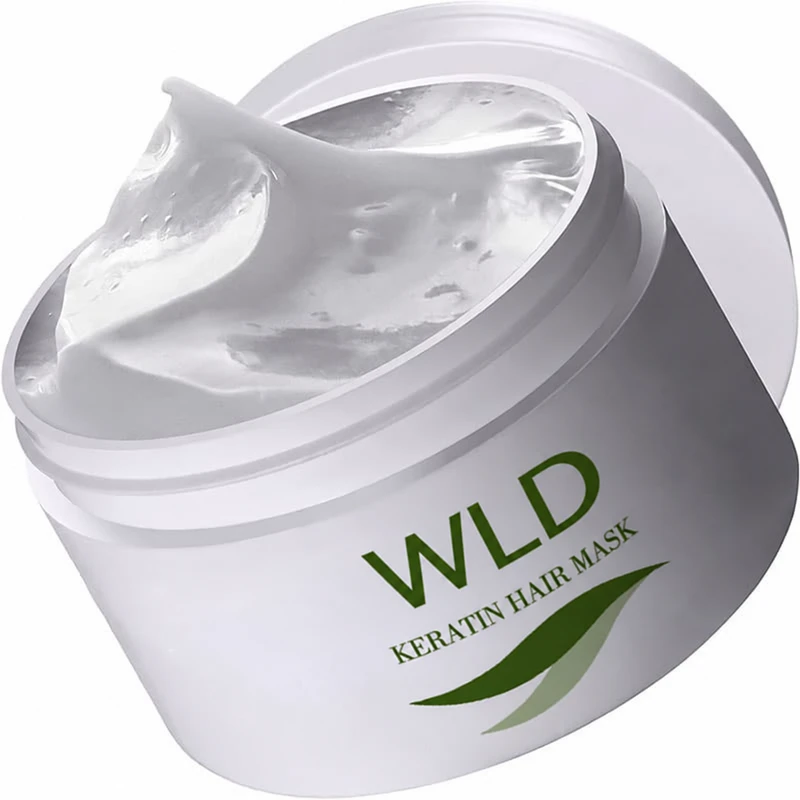
You can browse the WLD BEST hair-mask category and inspect the Keratin Deep-Conditioning Hair Mask listing as a shopping example—not as a claim that it is right for every hair type.
At our editorial check, the written listing did not provide a complete ingredient list or a specific contact time and frequency. The listing uses two-bottle pack wording while the image shows a jar. Its listed price covers the two-container pack, not one container; confirm the exact container type, size and contents before ordering.
Ask customer care for the current back-label information if those details affect your decision. The word “keratin” in the name is not proof of a particular concentration, a hair-repair result or independent testing.
Frequently asked questions
Can a hair mask replace my conditioner?
Only follow that plan when the particular product’s instructions support it. Neither the name nor a photo establishes whether it replaces conditioner. Ask the maker if the sequence is unclear.
Should I use a mask at every wash?
Use the frequency stated for the actual product. This guide cannot supply a universal weekly or daily schedule in place of missing directions.
Can I leave a rinse-out mask on overnight?
Do not change a rinse-out product into a leave-in. Follow its stated timing and rinse instructions rather than copying an overnight routine for another formula.
What if a new product causes discomfort?
Stop using it. The FDA advises contacting a healthcare provider about unexpected reactions to cosmetics. This article cannot diagnose a scalp problem or recommend a treatment.
Keep the next step clear
A useful conditioning routine is one you understand. Keep the product that works for your preferences, compare any new option by its directions, and resolve missing label or pack details before you buy. You do not need both formats merely because both are available.
Prepared by the WLD BEST editorial team. Sources and catalog information checked November 4, 2026. General cosmetic shopping information, not individual medical advice. No finished-product testing or endorsement by the linked organizations is implied.